
The Benefits of Swimming Lessons for Neurodiverse Children
Discover the benefits of swimming lessons for neurodiverse children — from water safety and sensory regulation to confidence, social skills, and NDIS-compatible support
Every child deserves the chance to feel safe, confident, and happy in the water. For neurodiverse children, swimming lessons can provide not only essential water safety skills but also powerful opportunities for growth, regulation, and joy. With the right support, swimming becomes much more than exercise — it’s a pathway to confidence and independence.
1. Safety First: Building Essential Water Skills
Water safety is vital for all children, but especially for those who may have different ways of responding to new environments. Tailored swimming lessons help children learn life-saving skills like floating, exiting the pool safely, and responding calmly in the water. These skills offer peace of mind for families who love the beach, pools, or water play.
2. Sensory Benefits of the Water
Water is naturally calming and regulating for many neurodiverse children. The gentle pressure and resistance of swimming can reduce anxiety, improve body awareness, and support sensory integration. A warm, quiet pool environment can provide a safe space for children to relax and thrive.
3. Individualised Learning and Confidence
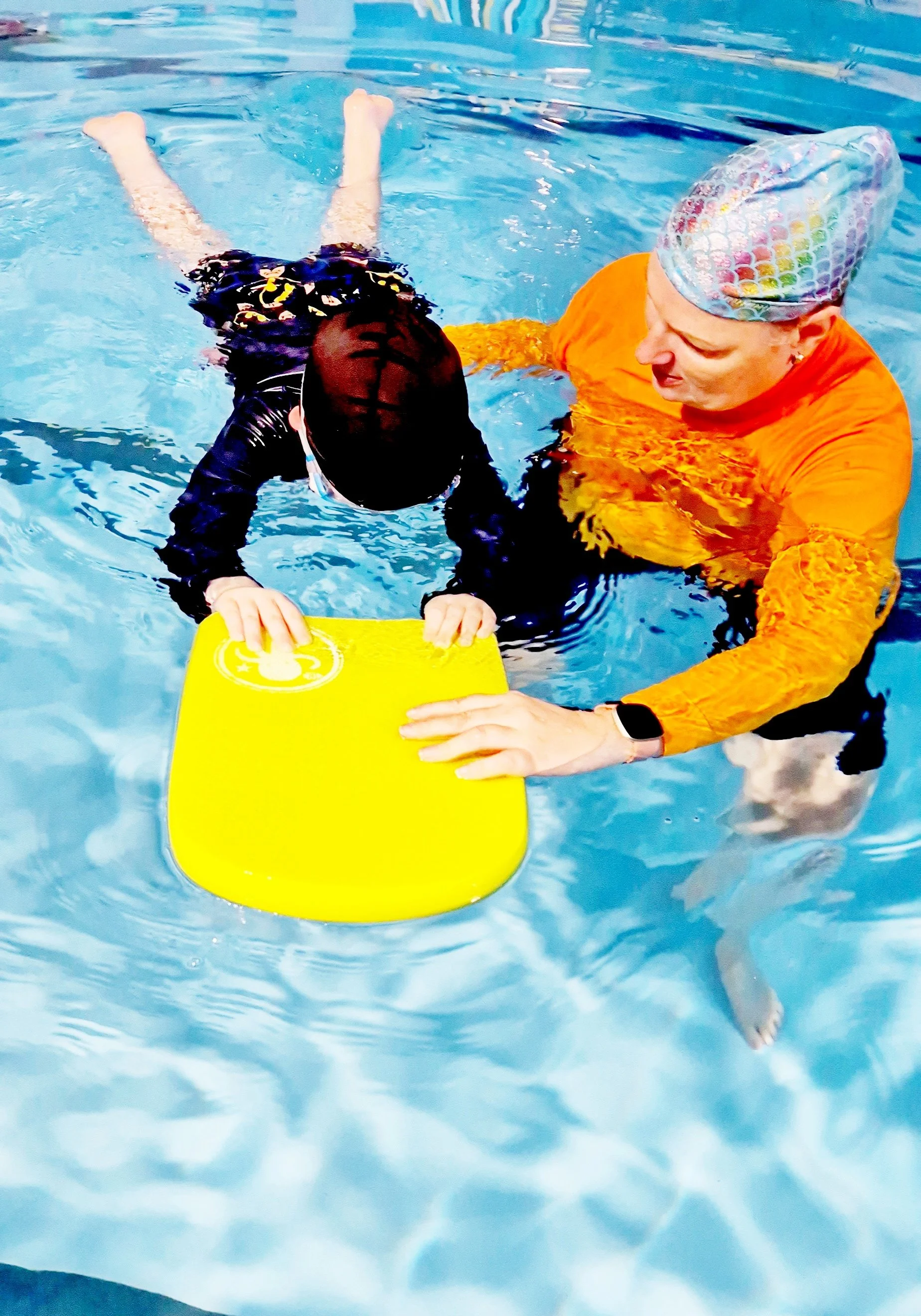
One-on-one swimming lessons allow the instructor to adapt each session to the child’s unique needs, interests, and abilities. By moving at the child’s pace and celebrating small wins, lessons foster a sense of achievement and self-confidence. These positive experiences often flow into other areas of life.
4. Social and Emotional Development
Swimming lessons create opportunities for social connection in a supportive environment. Whether it’s building trust with an instructor or learning alongside peers, children can practice communication, turn-taking, and teamwork — all while doing something fun.
5. NDIS-Compatible Support
For families accessing the NDIS, swimming lessons can be included as part of a child’s plan under goals like health, wellbeing, social participation, and skill development. This ensures that lessons are not just enjoyable, but also aligned with meaningful, individual outcomes.
Swimming lessons for neurodiverse children open the door to safety, confidence, and joy in the water. With patient, adaptive instruction, children can thrive — gaining life skills that extend far beyond the pool. Every splash, every float, and every stroke is a step toward independence.
The Benefits of Swimming Lessons: Building Skills for Life
Discover the lifelong benefits of swimming lessons — from water safety and fitness to confidence, social skills, and emotional wellbeing. Learn why swimming is an essential life skill for children and adults.
Swimming is more than just a recreational activity — it’s a vital life skill that offers lifelong benefits for children and adults alike. Whether your goal is water safety, fitness, or confidence, swimming lessons provide an empowering foundation that goes far beyond the pool.
1. Water Safety and Confidence
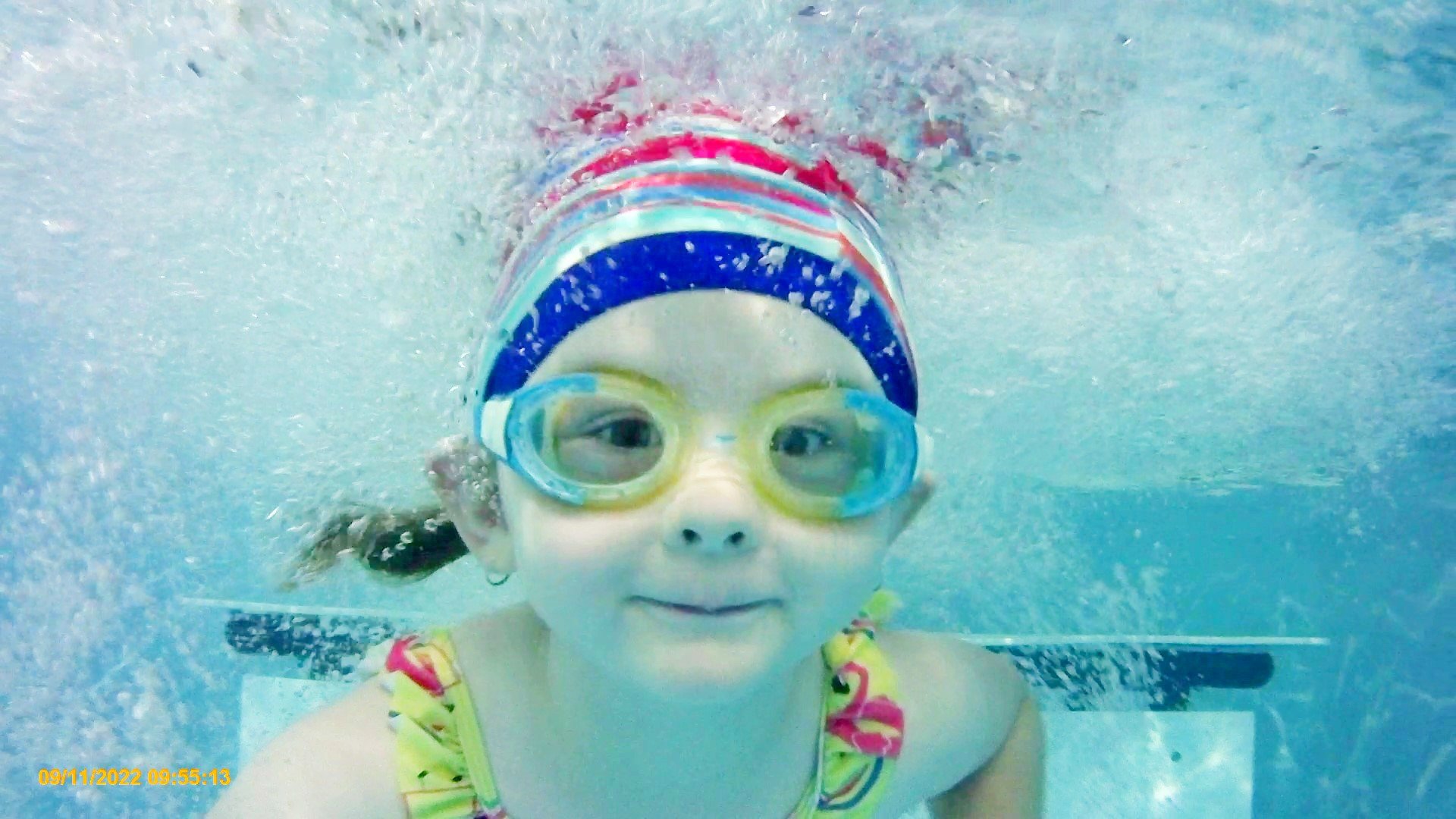
One of the greatest benefits of swimming lessons is the ability to stay safe in and around water. Learning how to float, tread water, and move confidently ensures that children (and adults) can respond appropriately in emergency situations. For families who enjoy beach outings, boating, or backyard pools, swimming lessons provide peace of mind.
2. Physical Health and Development
Swimming is a full-body workout that improves cardiovascular health, builds strength, and enhances flexibility. For children, it also supports gross motor development, coordination, and balance. Unlike many sports, swimming is gentle on joints, making it ideal for all ages and abilities.
3. Cognitive and Emotional Benefits
Research shows that swimming lessons can help improve concentration, memory, and problem-solving. In younger children, lessons often enhance developmental milestones such as language and social skills. Swimming also has a calming effect, helping to regulate emotions and reduce stress — a valuable benefit for children with additional needs.
4. Social Connection and Confidence
Swimming lessons encourage social interaction in a safe, supportive environment. Children build friendships, learn teamwork, and develop confidence as they master new skills. For neurodiverse children, one-on-one lessons can be tailored to their interests and needs, providing a positive and inclusive experience.
5. A Lifelong Skill
Once learned, swimming stays with you for life. It opens the door to countless opportunities — from water sports and family holidays to fitness and relaxation. More importantly, it’s a skill that could one day save a life.
Investing in swimming lessons is investing in safety, health, and confidence. Every child deserves the chance to feel capable and safe in the water, and with patient, individualized instruction, those benefits can last a lifetime.